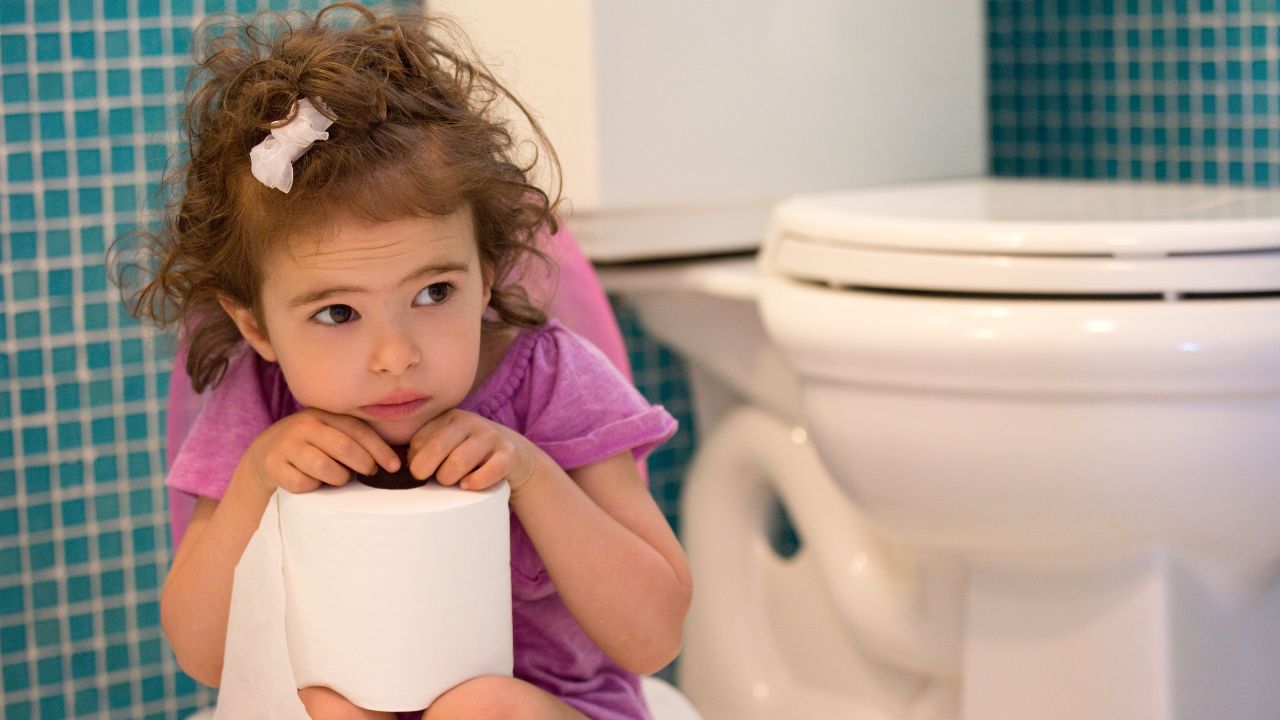

Toilet training often marks a new stage of independence for both children and families, and can bring a mix of emotions as you support your child’s development. However, research shows that over 50% of children with autism face significant toileting challenges, meaning they often require more time and highly tailored strategies compared to other kids.
This blog will explore how ABA therapy breaks down toilet training kids with autism into manageable steps to reduce anxiety and respect your child’s unique sensory needs.
Why Toilet Training Can Be More Complex for Autistic Children
While every child reaches milestones on their own timeline, neurodivergent kids often encounter specific barriers that require a highly personalised strategy. This tailored level of support, along with understanding what autism is a primary goal of autism early intervention. Developing these skills also helps prepare children for a school-readiness program by building the independence they need in the classroom.
Here are some of the reasons why toilet training autistic kids can be more complex:
- When a child cannot yet express physical urges or follow multi-step instructions, the learning process can feel confusing.
- To a sensitive nervous system, humming lights, cold seats or a loud flush can feel like a genuine threat.
- Recognising the urge to go requires internal body awareness. If this signal is muffled, it becomes difficult to know when the bladder is full.
- Leaving the comfort of nappies is a major change. Adopting this new habit requires a gentle and intentional approach to maintain a sense of safety.
How ABA TherapySupports Toilet Training
With ABA therapy, therapists use observation, data, and positive reinforcement to understand each child’s needs. They track what happens before, during and after toilet attempts to identify specific triggers or cues that might otherwise go unnoticed.
Instead of expecting quick results, behaviour therapy helps children master each part of the routine, breaking toilet training into smaller, manageable steps, such as:
- Walking to the bathroom
- Pulling clothing down
- Sitting on the toilet
- Using toilet paper
- Flushing
- Washing hands
- Communicating when finished
Identifying Sensory Triggers in the Bathroom
Some autistic children may avoid toileting because the bathroom can feel overwhelming. Sensitivity to sounds, smells, lights, temperature, textures, or even sitting on the toilet can turn a simple task into a source of discomfort.
After identifying these barriers, therapists can introduce tailored strategies, which might include:
- Creating a predictable bathroom routine
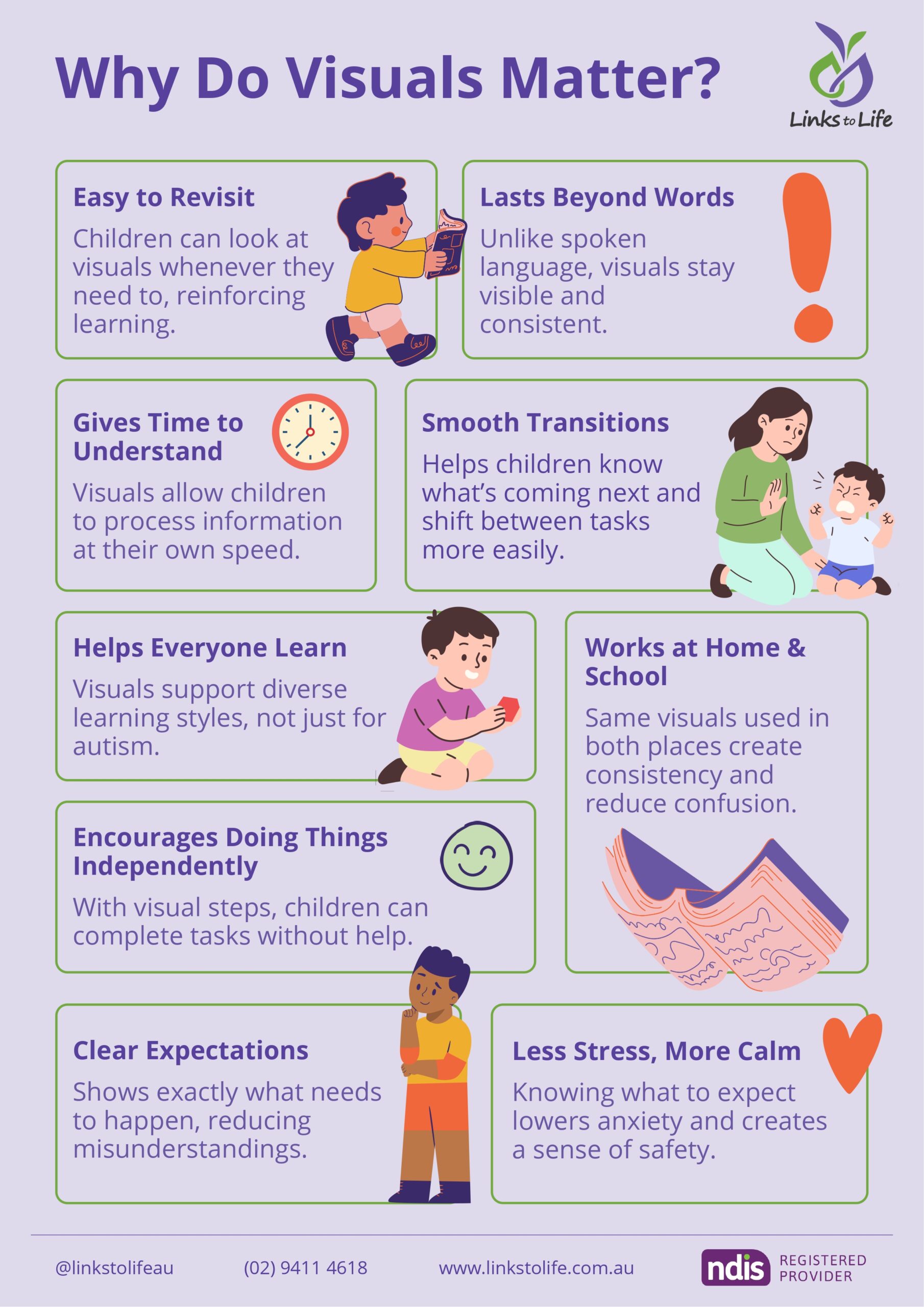
- Using visual supports
- Introducing bathroom steps gradually
- Adjusting the environment where practical
- Specific reinforcement to make the process as enjoyable as possible
- Engaging with occupational therapy when sensory needs are significant
Bathroom Setup Guide
When introducing toilet training to autistic kids, it’s important to create an environment that fosters independence. Setting up a well-organised and accessible bathroom can make toilet training easier and encourage your child’s independence. The more they can do independently, the less help they’ll need. Some adjustments may be temporary while they learn, while others might be long-term if physical adaptations are necessary.
Key Considerations for Setup:
- Dressing & Undressing: Can they pull their pants and underwear down and up? If not, opt for easy-to-remove clothing, such as elastic waistbands, and avoid complex fasteners (buttons, zippers, overalls).
- Toilet Accessibility: Can they get onto the toilet independently? If not, consider adding a step stool or platform — think about the right height, stability, and whether handles are needed.
- Bathroom Navigation: Can they open the bathroom door on their own? If not, you might need to keep the door open, provide a small step, or consider an alternative bathroom.
- Comfort & Stability on the Toilet: Are they able to sit securely without needing to hold themselves up? If they seem unsteady, a toilet seat insert or support may help them feel more comfortable.
- Reaching Essential Items: Can they easily access toilet paper? If not, a lower or repositioned toilet paper holder may be necessary. Can they reach the sink, soap, and towel for handwashing? If not, using a step stool or adjusted fixtures can make this process easier.
A well-prepared bathroom can make toilet training a smoother and more positive experience. Small modifications can have a big impact on your child’s ability to develop independence in their toileting routine!
Reducing Bathroom Anxiety Gradually
A behavioural strategy sometimes used within ABA-informed intervention is gradual desensitisation. This is a step-by-step approach used to help a child become more comfortable with situations they find stressful by introducing them slowly, managing their arousal level to prevent escalation, and supporting successful engagement at each step. When toilet training kids with autism, a child might start by simply standing near the bathroom door. Over time, this progresses to entering briefly, then sitting on the toilet with their clothes on and eventually sitting for a short time as part of a predictable routine.
Progress may be slow, but every small step matters deeply. The focus is always on using reinforcement that is truly meaningful to the child. Whether it is a favourite toy or a high-five, this positive feedback is used to build confidence rather than pressure. To learn more about how these positive strategies are applied, you can explore what ABA and PBS are.
Teaching Body Awareness and Communication
Another crucial element of autism early intervention is understanding interoception. This is the ability to notice internal body signals, such as the feeling of needing to wee or poo. Some children may not notice these physical cues until it is too late. Others may feel the discomfort but simply do not know how to communicate it to their carers.
To bridge this gap, professionals providing ABA services for autism may support families through specific strategies:
- Data tracking to understand timing and progress
- Scheduled toilet sits based on patterns
- Visual supports or communication cards
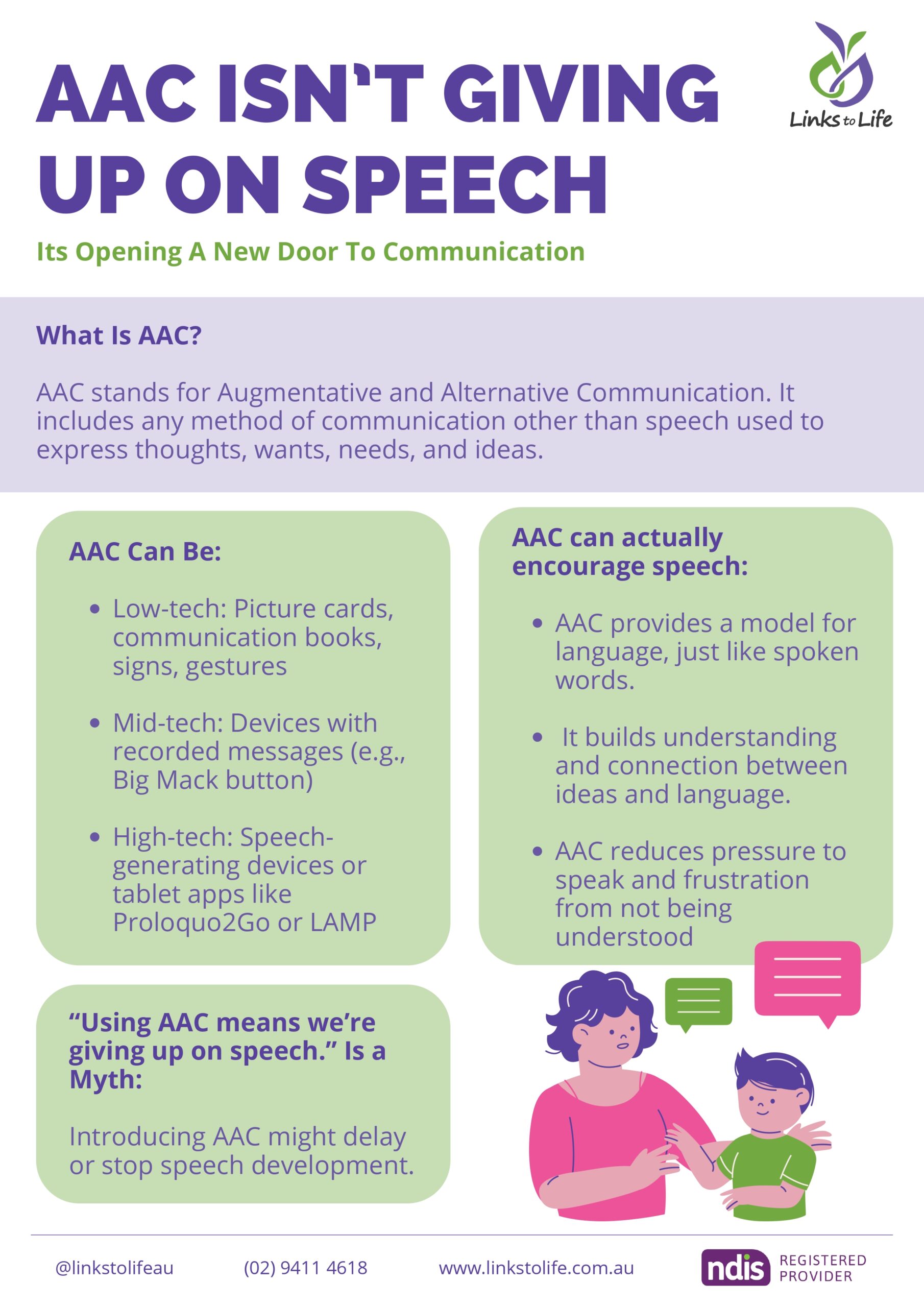
- Teaching the use of simple words, signs or AAC
- Reinforcement for communicating the need to go
Build Bathroom Independence Through ABA Therapy
Reaching this milestone is a significant achievement that opens up new opportunities for participation and confidence. While toilet training autistic kids may require patience and individualised strategies, a structured approach makes each step more manageable.
If you are looking for more advice on supporting your child’s development, feel free to explore our latest blog posts. At Links to Life, the focus is always on providing compassionate, evidence-based ABA therapy in Ryde and across Sydney that respects the unique needs of every child and their family. To discuss how we can help your family, contact our friendly team today.