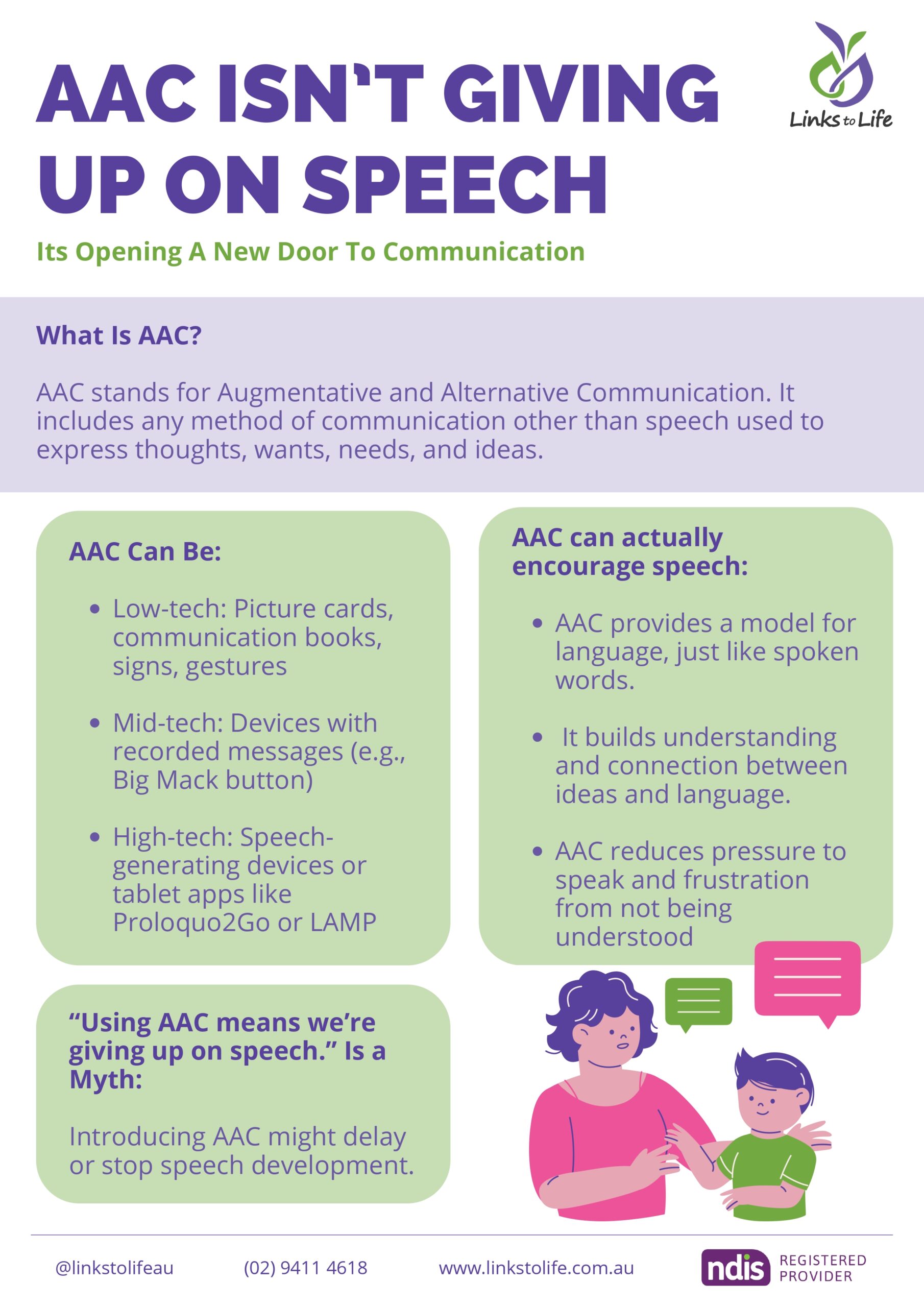
Supporting early development using scientific evidence-based behaviour therapy for children with Autism, backed by years of research and proven results
At Links to Life, our Early Foundations Program supports children aged 2–9 who are experiencing developmental delays, behavioural concerns or challenges with early learning. We use Positive Behaviour Support (PBS) — a practical, evidence-based approach derived from Applied Behaviour Analysis (ABA) — to help children build essential life skills in the environments where they live, learn and play.
Applied Behaviour Analysis (ABA) provides an evidence-informed foundation using well-researched principles to support skill development in areas such as communication, daily living and social interaction.
Within early intervention, ABA helps identify how each child learns best and how skills can be strengthened through clear, consistent teaching and positive reinforcement. Therapy decisions are guided by ongoing data and regular review, so support can continue to evolve alongside your child’s progress and everyday needs.
ABA is commonly integrated with early intervention strategies and works within the NDIS Positive Behaviour Support framework to guide behaviour therapy. This collaborative approach helps children develop functional skills they can carry naturally into home, school and community life.
Children in our Early Foundations Program often work towards goals in the following areas:
Our Early Foundations Program can be funded through the following NDIS categories:
These supports cover therapy sessions, assessments, behaviour support planning and caregiver training.
We take a staged, family-centred approach to ensure your child’s support plan is both clinically informed and practical for your everyday life.
Early intervention therapy works best with consistent support and collaboration between therapists and families. This program is most suitable for families who:

Every child develops in their own unique way, bringing their own strengths, personality and way of experiencing the world. Early intervention with behaviour therapy is about building on what your child already does well to give them the right support, at the right time, to help them thrive.
You should reach out if you think your child would benefit from extra support in any of these areas:
Remember, you don't need a formal diagnosis to seek support, and reaching out early is a sign of great advocacy for your child.
A comprehensive functional assessment with a qualified specialist is a wonderful first step: it's a chance to understand your child's unique strengths and identify where a little extra support could make the biggest difference
While these terms are often used interchangeably, they each refer to distinct types of support:
At Links to Life, we draw on all of these approaches to build a program that fits naturally into your child's daily life and is always focused on real-world skills, meaningful progress and your family's goals.
No, you don’t need an approved NDIS plan to begin working with us. While many of our families utilise NDIS funding under the Capacity Building (Early Childhood Supports/ Improved Daily Living) or Improved Relationships categories, we welcome families who choose to invest in their child's formative years via private funding.
If you’re currently navigating the system, waiting on a plan or unsure of your funding paths, our team can help clarify your options.
There’s no single number of hours that works for every child. The right amount of time depends on where your child is at now, the skills they’re working on and what fits naturally into your family's routine. Every child learns at their own pace, so we don't believe in a rigid, one-size-fits-all approach.
That said, we see many families strike the balance by committing 5 to 8 hours of therapy per week. This could give your child enough consistent practice to build and maintain new skills across environments without making them feel overwhelmed.
Every child starts from a different place and learns in their own way, so timelines for progress naturally vary. However, because our programs are structured and focused on clear milestones, parents often begin to notice positive changes within the first few weeks.
In the short term, these early changes often look like:
Longer-term progress builds steadily over the following months and is strongest when therapy is paired with parent coaching, ensuring the same strategies are used consistently across home, preschool and the community. Above all, we know success looks different for every child, and we measure it that way - against your child's own goals, no one else's. Their growth is the only benchmark that matters.
Our behaviour therapy plans are individually tailored to your child’s specific needs, focusing on the everyday practical skills that help them feel confident, independent and included. We break complex skills into small, achievable steps across areas like:
Yes. For behaviour therapy to make a meaningful difference, skills must transfer seamlessly to where your child lives, learns and plays. Our qualified clinicians work with children directly in their natural environments, including family homes, daycares and preschools, or at our Ryde clinic.
When choosing an early intervention provider for your child, look for a team that delivers clinical consistency, transparency and practical support. The ideal provider should offer:
Ultimately, the right provider focuses on functional outcomes that make a genuine, meaningful difference in your child’s and family's daily life.
The early years are a powerful time for growth and learning and the sooner your child has the right support, the more they can build on it. Early intervention is most effective when it begins as soon as you notice developmental concerns, even without a formal diagnosis.
Starting early means your child can develop foundational skills at the time when their brain is most receptive to learning. It also helps reduce everyday frustration, build confidence and set them up for a smoother, more positive transition into preschool and primary school.
If you have any questions about your child's development are wondering whether your child could benefit, reaching out early is always a good first step.
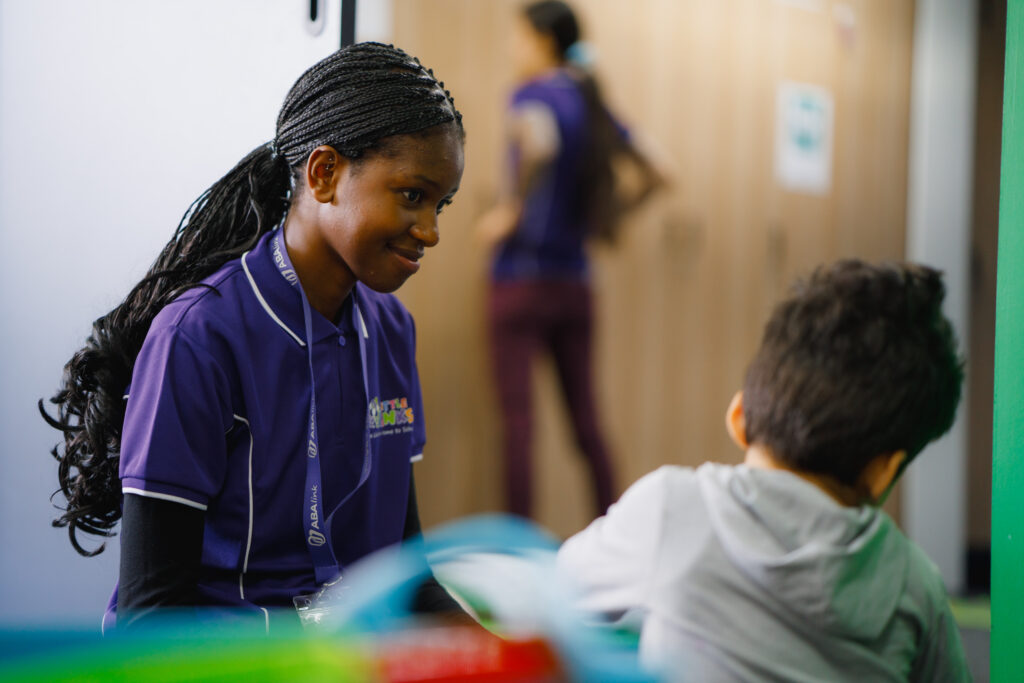
We offer a mobile and in-clinic service Monday – Friday 50 weeks per year with therapy offered
Not sure where to start or how to get help?
If you have questions or would like to discuss whether behaviour therapy is right for your child, please contact our team.
Alongside behaviour therapy, you may also explore our other services, including occupational therapy, positive parent training, School Readiness program and more. If you’re still researching, feel free to read through insights from our clinicians on autism, ABA and early intervention. Links To Life is here to help.
Copyright@2025LinkstoLife I All Rights Reserved