

While the early stages of Applied Behaviour Analysis (ABA) therapy often lean on rewards to build momentum, it’s common for parents to ask: How do we stop the rewards without losing the progress?
The goal of any quality autism early intervention program is not to create a lifelong reliance on external prizes, but to use them as a temporary bridge to functional independence. Moving away from these motivators is a clinical process known as fading. Done right, it lets a child transition from doing a task for a treat to doing it because it is a natural, comfortable part of their daily life.
This article walks you through how that transition works in practice, and how it can be approached in a way that feels safe and effective within an ABA framework.
Why rewards are used in ABA toilet training
To move away from rewards, it helps to understand why they’re effective in the first place. In behavioural science, this is referred to as positive reinforcement.
The role of reinforcement in early learning
Reinforcement is simply the addition of a consequence following a behaviour that makes that behaviour more likely to happen again. For many kids, the internal “relief” of an empty bladder or the social satisfaction of pleasing a parent may be naturally reinforcing.
However, this might not be the case for an autistic child. External rewards provide a clear and immediate “why” that helps them connect the effort of using the bathroom with a positive outcome.
Why toilet trainaing starts with strong rewards
Toilet training is a complex chain of multiple behaviours, including recognising an urge, stopping a preferred activity, navigating to the bathroom and managing clothing. ABA services for autism use a task analysis to break these steps down into tiny, achievable goals.
Because this can take a lot of effort for an autistic child, the early stages often involve meaningful, motivating rewards. This builds the “instructional control” and confidence needed to keep the child engaged in the learning process.
Common types of reinforcement used
At our clinic for behavioural therapy in Ryde, we see various types of reinforcement work effectively:
- Tangible items: Small toys, stickers or specific food items.
- Social praise: High-fives, cheers or specific verbal feedback.
- Access to activities: A few minutes of a favourite video or a specific game.
The effectiveness of these rewards depends on immediacy. Delivering the reward within seconds of the success ensures the child makes the cognitive connection between the toilet and the prize.
What independence actually looks like when toilet training autistic kids
For many of the families we support, independence is the goal that matters most. It’s the shift from needing constant support to a child being able to manage this part of their day with growing confidence.
In a clinical sense, independence is achieved when a child can complete the entire toileting chain without any adult prompts. This includes “initiation”, which is the child recognising the need to go and moving towards the bathroom on their own. It also involves “generalisation”, meaning the child can use the restroom at home, at school or in public settings without distress or regression.
The science behind fading rewards
As mentioned, fading is the systematic reduction of prompts and rewards. It is a data-driven process that ensures the skill stays strong even as the prizes disappear.
The transition moves the child from “contrived reinforcers” (like a lolly) to “natural reinforcers”. A natural reinforcer is the inherent benefit of the action itself. For toilet training, this includes the feeling of being clean and dry, the removal of physical discomfort or the ease of staying in a play activity without an accident.
Prompting and fading in behavioural therapy
Fading also applies to the help we give. If a parent always says, “Time to go,” the child may become “prompt dependent”, waiting for that instruction rather than listening to their own body. In ABA services for autism, we gradually move from full support to verbal cues, then to gestural cues and finally to no cues at all.
Step-by-step: transitioning from rewards to independence
If your child is consistently successful with rewards, you can try to begin the transition towards independence using these steps.
Step 1: Strengthen consistency first by pairing rewards with social praise
Consistency is the foundation, which is why we don’t recommend fading rewards until the child is successful at least 80% to 90% of the time over a two-week period. If the child is still having frequent accidents, they still need the high-value reinforcement to keep their motivation high.
Every time you give a tangible reward, try pairing it with enthusiastic social praise. Over time, the praise begins to take on the “value” of the reward. Eventually, you can stop the toy or treat and find that the praise alone is enough to keep the child motivated.
Step 2: Shift from continuous to intermittent reinforcement
Instead of rewarding every single success, move to an intermittent schedule. This might mean rewarding every second or third successful instance. Doing so strengthens independence as the child learns to keep trying and not give up even when the reward isn’t given straight away.
Step 3: Increase the “response effort”
Start requiring the child to do more for the same reward. Initially, they might have received a sticker just for sitting. Now, they receive the sticker only after they’ve successfully used the toilet, flushed and pulled up their pants. This encourages the child to see the entire routine as one single, independent task.
Step 4: Practise in new environments
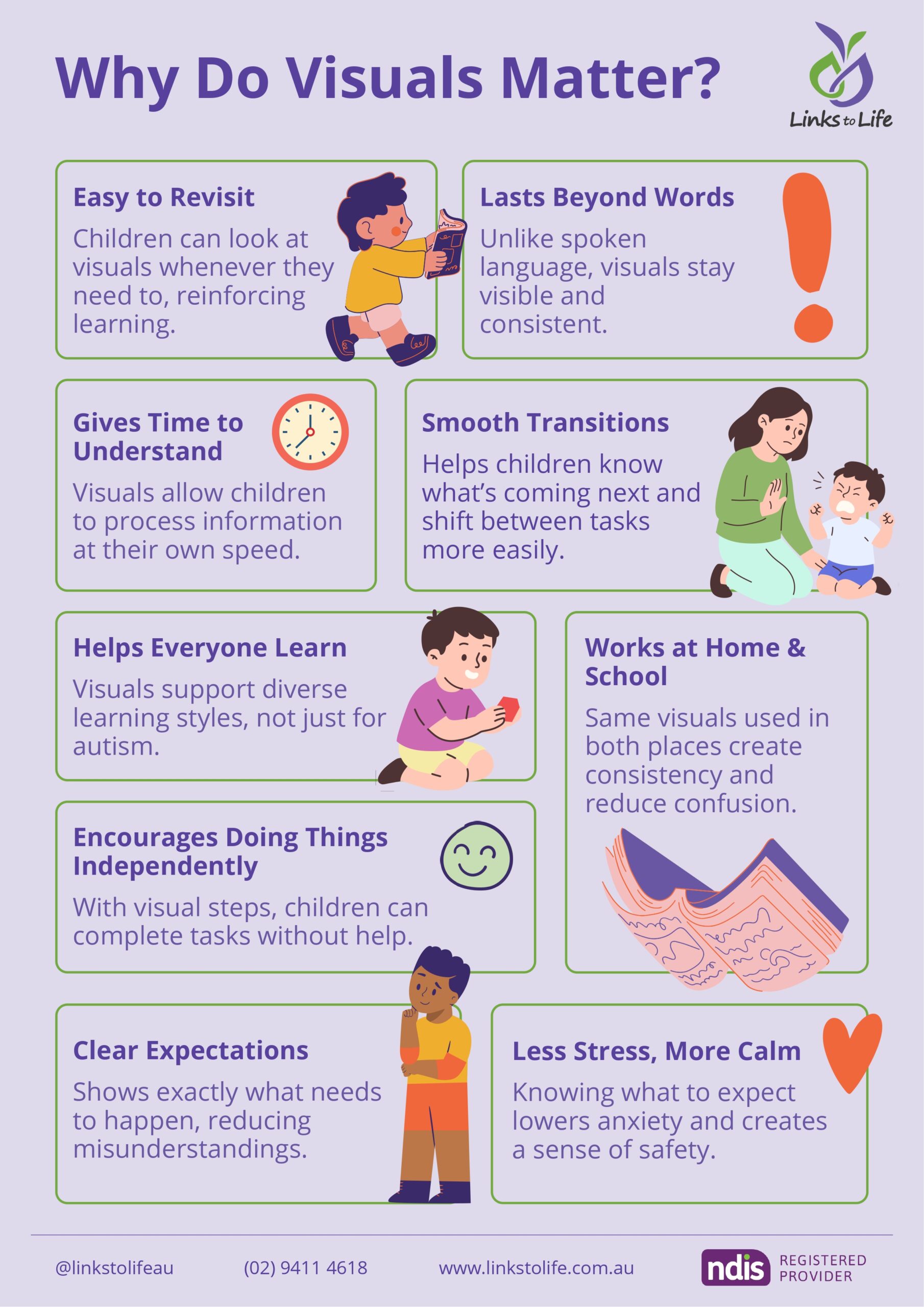
Remember, true independence requires generalisation. If you only practise at home, the child may not realise the rules apply at their local park or a friend’s house. Take the show on the road once the home routine is stable. Bring the visual schedule or the specific reinforcement system with you to ensure success in new bathrooms.
Signs your child is ready to reduce rewards
It’s different for every child, but you will likely see these indicators that the child is able to independently complete steps that used to require prompting:
- The child forgets to ask for their reward after finishing.
- The child initiates going to the bathroom without being told.
- The child stays dry for longer periods throughout the day.
- The child shows a visible sense of pride or “finishedness” after washing their hands.
When these signs appear, it is a signal from the child that they are ready for more autonomy.
Independence matters beyond toileting
It should go without saying that mastery of this skill is about more than just hygiene, but also dignity and self-regulation. Toileting independence is linked to improved social participation, reduced reliance on caregivers and greater access to educational and community environments. It also provides you with a sense of relief, knowing your child has gained a permanent, functional life skill.
Moving away from rewards is recognising that your child has grown and no longer needs the training wheels, and that transition is a significant victory. While the process requires patience and a watchful eye on the data, the payoff is a child who’s more confident and more capable.
It is vital to recognise, however, that every autistic kid has unique strengths, challenges and developmental pathways. Independence in toileting does not look the same across the board, and goals should always be tailored to what’s meaningful and appropriate for the individual and their family.
How Links to Life supports this transition
At Links to Life, we understand the nuances of this journey because we’ve lived it ourselves. Our team provides behavioural therapy in Sydney rooted in both clinical excellence and genuine empathy. We focus on “meaningful differences”, so that every skill taught in our clinic or in your home can help your child thrive in the real world.
Our qualified therapists work closely with families to design fading plans that match each child’s unique pace. We believe that ABA services for autism should always lead towards a life of greater freedom and less intervention.
We invite you to learn more about our evidence-based Occupational Therapy, specialised School Readiness program and personalised NDIS behaviour therapy, or stay informed with our latest resources on autism early intervention.
Disclaimer: The content provided in this article is intended for informational and educational purposes only. It is not a substitute for professional medical advice, diagnosis or treatment. Always seek the advice of a qualified behavioural therapist or healthcare provider with any questions you may have regarding a medical condition or the implementation of a behavioural program.