Clinician led. Parent implemented.

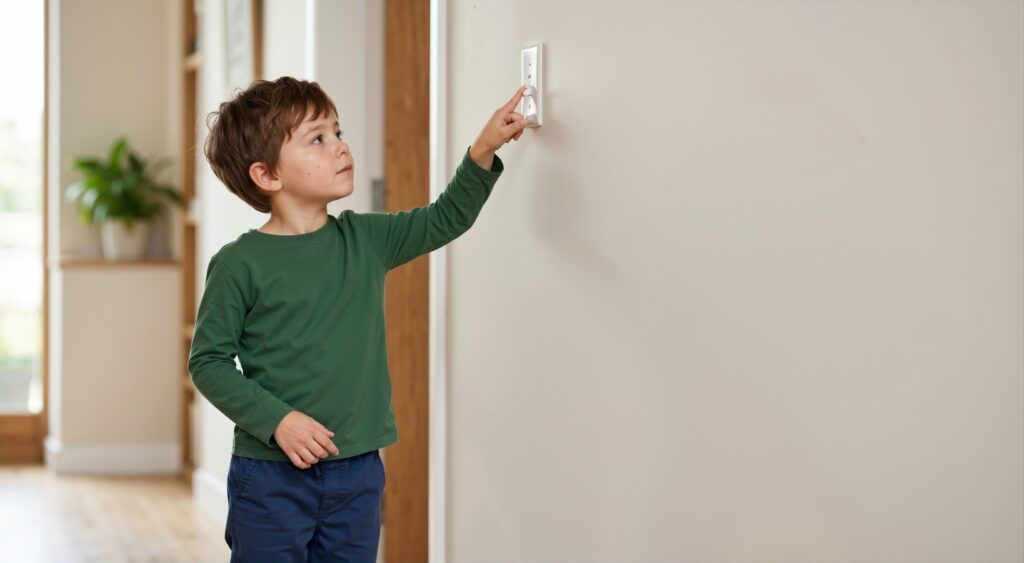
Perhaps simple requests become repeated reminders, leaving an activity feels overwhelming, or the same routine becomes difficult each day. You may have tried different approaches and still feel unsure what will help.
If this sounds familiar, we can help you find a starting point.
First Links at Links to Life is a focused 8-12 week behaviour support program Clinician led and parent implemented for families who want to focus on that one behaviour that causes distress, affects everyday life or creates barriers to learning.
This is a focused alternative to a broader ongoing therapy program. The aim is to reduce the impact of the priority behaviour, support your child’s participation and build your confidence.
We assess your child’s needs, routines and surroundings. The findings guide an individualised plan with practical strategies and skills to develop. This short-term pathway aims to reduce the behaviour’s impact, support your child’s participation and build your confidence.

We want to understand your child’s strengths and interests, what they find difficult and what you would like to change
We discuss what you have already tried and agree on goals that would make a practical difference for your family.
Your observations help shape the plan and guide our reviews. Depending on the assessment, your child may work towards communicating a need, asking for a break, waiting, managing when something is unavailable or participating in essential routines.
Your child’s needs, preferences and comfort guide how these skills are introduced.

We want to understand your child’s strengths and interests, what they find difficult and what you would like to change
We discuss what you have already tried and agree on goals that would make a practical difference for your family.
Your observations help shape the plan and guide our reviews. Depending on the assessment, your child may work towards communicating a need, asking for a break, waiting, managing when something is unavailable or participating in essential routines.
Your child’s needs, preferences and comfort guide how these skills are introduced.
We want to understand your child’s strengths and interests, what they find difficult and what you would like to change. We discuss what you have already tried and agree on goals that would make a practical difference for your family. Your observations help shape the plan and guide our reviews. Depending on the assessment; your child may work towards communicating a need, asking for a break, waiting, managing when something is unavailable or participating in essential routines. Your child’s needs, preferences and comfort guide how these skills are introduced.

Your child may find handwriting tiring, avoid colouring or cutting, or become frustrated with buttons, zips and cutlery. They might know what they want to do but struggle with the movements involved.
How an OT helps: An OT can explore what makes these activities challenging and suggest ways to make them more manageable while building practical skills.
Getting ready for school, starting homework or following a sequence of instructions may require frequent reminders and help. Your child might lose track of the steps, struggle to get started or feel overwhelmed before the task is finished.
How an OT helps: Occupational therapy can help identify where they get stuck and introduce strategies that suit their needs and routines.
School bags, belongings, homework and daily routines can be difficult to manage. Your child may regularly lose items, forget what they need or struggle to organise themselves for an activity.
How an OT helps: An OT can help explore these challenges and develop practical supports, such as visual checklists, simpler routines and more manageable task steps.

Your child may find playground activities, ball games, dressing or using classroom equipment difficult. They might tire during activities or avoid tasks that require balance and coordination.
How an OT helps: When these difficulties affect comfort, confidence or participation, an OT can explore what support or adjustments may help your child take part.
Noise, clothing textures, messy play or busy spaces may cause discomfort or distress. Moving between activities or coping with an unexpected change may also be difficult.
How an OT helps: An OT can work with you to understand patterns, explore your child’s sensory needs and identify strategies that support their comfort and participation.

Tick any sign that sounds like your child. There’s no score to pass, it’s just a way to start the conversation.
Or call us on 02 9411 4618
Tick any sign that sounds like your child. There’s no score to pass, it’s just a way to start the conversation.
Or call us on 02 9411 4618
Tell us about your child and where you need support. We will answer any of your questions and consider whether the program is suitable.
Before you proceed, you receive a service proposal outlining the recommended appointments, fees and your involvement.
1) We begin with a one hour parent consultation online to discuss your child’s development, routines and the priority behaviour. Your child does not need to attend.
2) A separate one hour appointment with you and your child allows your clinician to observe and assess relevant skills and needs.
Appointments are available in your home, at our Ryde clinic and online, with the assessment format agreed according to your child’s needs.
The assessment informs your child’s individualised behaviour plan.
You implement the plan with regular clinical guidance, introducing the strategies into everyday life. The consultations allow you to practise strategies to take home and use between appointments.
We review progress, help resolve difficulties and make adjustments with you.
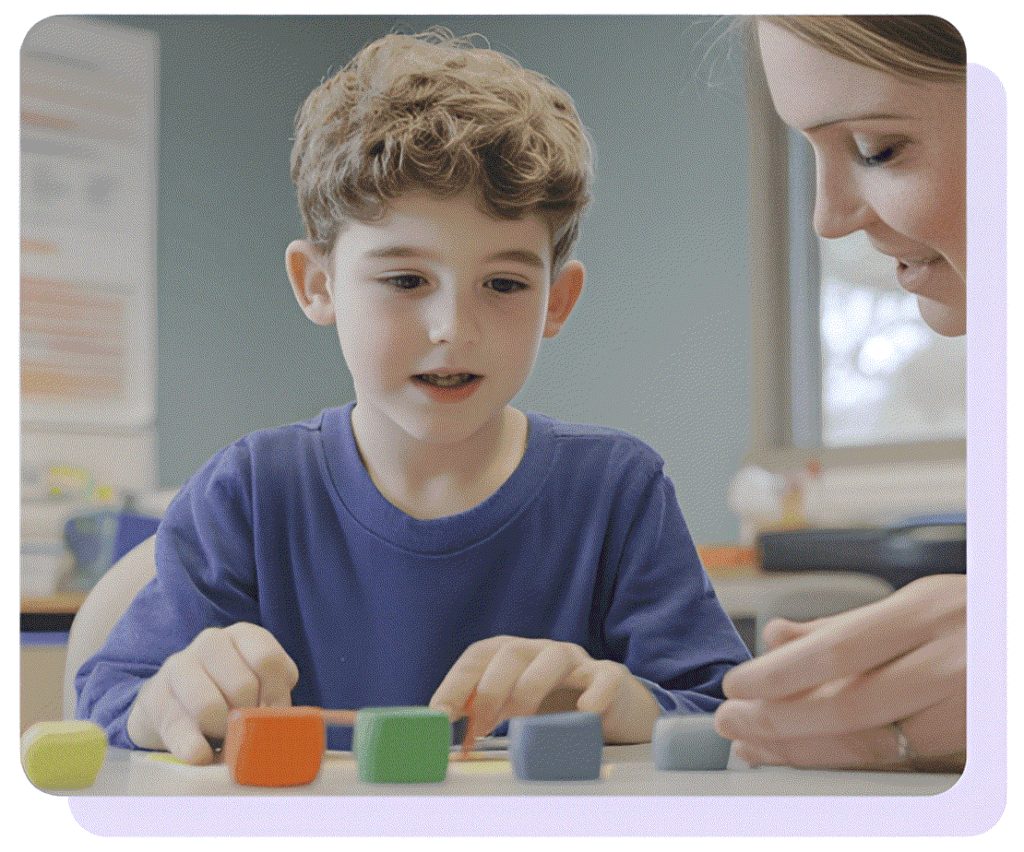
If you would like to explore your concerns further, an initial consultation gives our OT an opportunity to get to know your child, understand your family’s priorities and discuss the activities that are proving difficult.
Together, we agree what comes next. This may include:
Links to Life supports children, teens and families to work towards everyday goals that matter to them, from getting ready in the morning to participating more confidently at school.
No diagnosis is needed. We work with children aged 2 to 12, including typically developing children, who need support with a behaviour affecting everyday life or learning. We discuss your child’s needs to determine whether First Links is suitable.
Focusing on one behaviour makes the program manageable for parents and gives us clear goals. It allows time to understand the behaviour, introduce strategies and help you practise them so you can master them making everyday life that little easier !
First Links is a short term, 8-12 week program focused on one behaviour, that may just make the difference to daily routines as parents implementstrategies between consultations. Ongoing Behaviour Therapy often addresses a broader range of developmental skills and support needs over a longer period.
Our clinicians specialise in child behaviour and use evidence-based strategies grounded in the principles of Applied Behaviour Analysis (ABA). We work with you to understand what may be contributing to your child’s behaviour, then develop practical strategies you can use in everyday routines to help your child build new skills.
Yes. First Links is clinician led and parent implemented, so a parent or carer takes part in every session. Your clinician explains the plan, shows you how to use the strategies and guides you as you practise. Between sessions, you use the strategies with your child in everyday routines. At your next session, you can talk through what worked, ask questions so we can guide you to next steps.
Yes. After the initial consultation for parents and carers, your child attends each session with you. This gives your clinician a chance to see what happens before the behaviour, observe how your child responds as you try the strategies together, and guide you on what to adjust.
First Links sessions run for one hour each week. You can meet with your clinician online, at our Ryde clinic or in your home or School if you live within 10 -15km of the clinic.
To help keep costs down for families, we limit home visits to a radius. Online and clinic sessions are available if you’d prefer to avoid clinician travel charges.
Home visits are available in the following areas, subject to confirmation of your address:
We’ll confirm whether we can visit your home or School and explain any travel charges before you decide.Our clinic is at Level 3, 5–9 Devlin Street, Ryde NSW 2112.
The recommended services and costs so you can check funding arrangements before proceeding. We are registered as a provider under the NDIS for Early Childhood supports 0118 and Behaviour 0110
You can find further information in the NDIS support guidelines and the NDIS early childhood approach.
Yes you can pay privately, and your child does not need NDIS funding to participate. We provide a service proposal outlining the recommended appointments and anticipated costs before you commit.
Every child’s progress is different. We aim to help you understand the priority behaviour, use practical strategies confidently and support your child to develop relevant skills. We review progress throughout the program and discuss any further support recommended at its completion.
A Certified Behaviour Analyst (CBA) or Board Certified Behaviour Analyst (BCBA) guides First Links. Your clinician assesses your child’s needs, develops the plan and supports you to put it into practice.All clinicians delivering First Links are NDIS Behaviour Support Practitioners.
No. First Links is open to any child aged 2 to 12 who needs support with a behaviour that causes distress or gets in the way of everyday routines or learning. A diagnosis is not required. We’ll talk with you about what’s happening and whether the program is a good fit for your family.
Please contact our team as soon as possible to discuss rescheduling. If appropriate, we can also discuss changing an appointment to online. Our cancellation policy requires at least two business days’ notice; fees may apply for late cancellations, as outlined in your service agreement.
Parents and carers involved in your child’s everyday care can attend. With your consent and by arrangement, another important support person may also join. We recommend consistent involvement from the person or people who will use the strategies between appointments.
Behaviour support can complement Speech Therapy and Occupational Therapy by addressing a behaviour that makes everyday activities or learning difficult.
Speech Therapy may focus on communication, while OT may support daily living skills, sensory needs and participation. First Links focuses on understanding the behaviour and helping you use strategies that support your child across these activities.With your consent, we can collaborate with your child’s other Health providers to keep goals and strategies consistent.

Copyright@2026 | LinkstoLife I All Rights Reserved